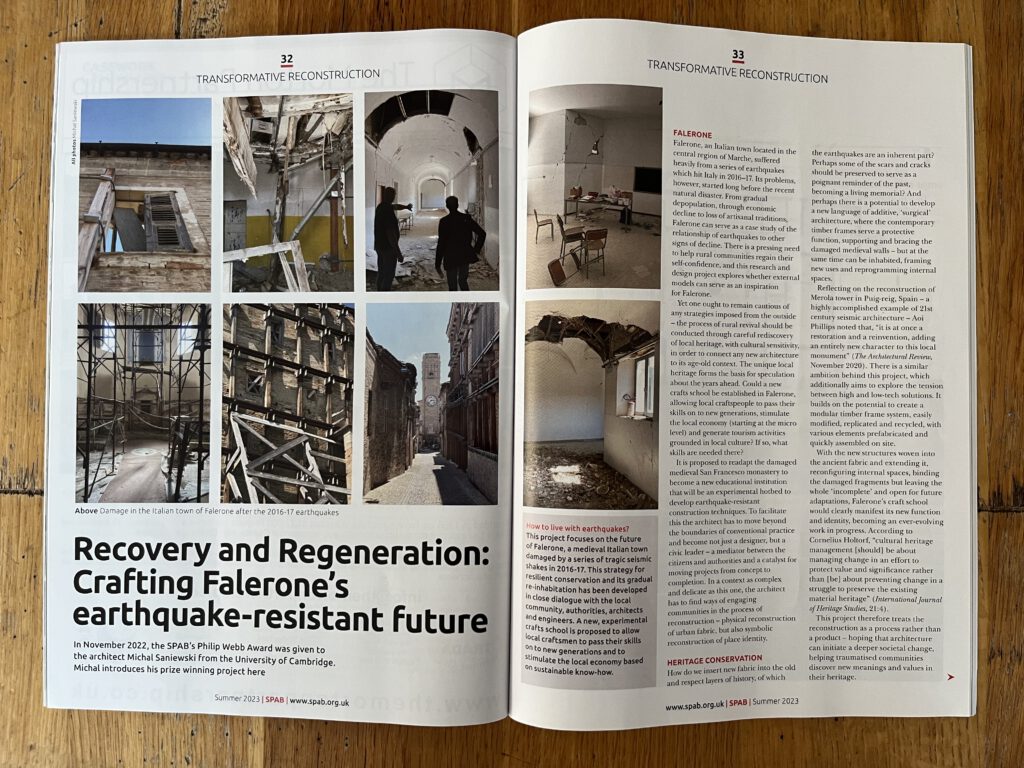
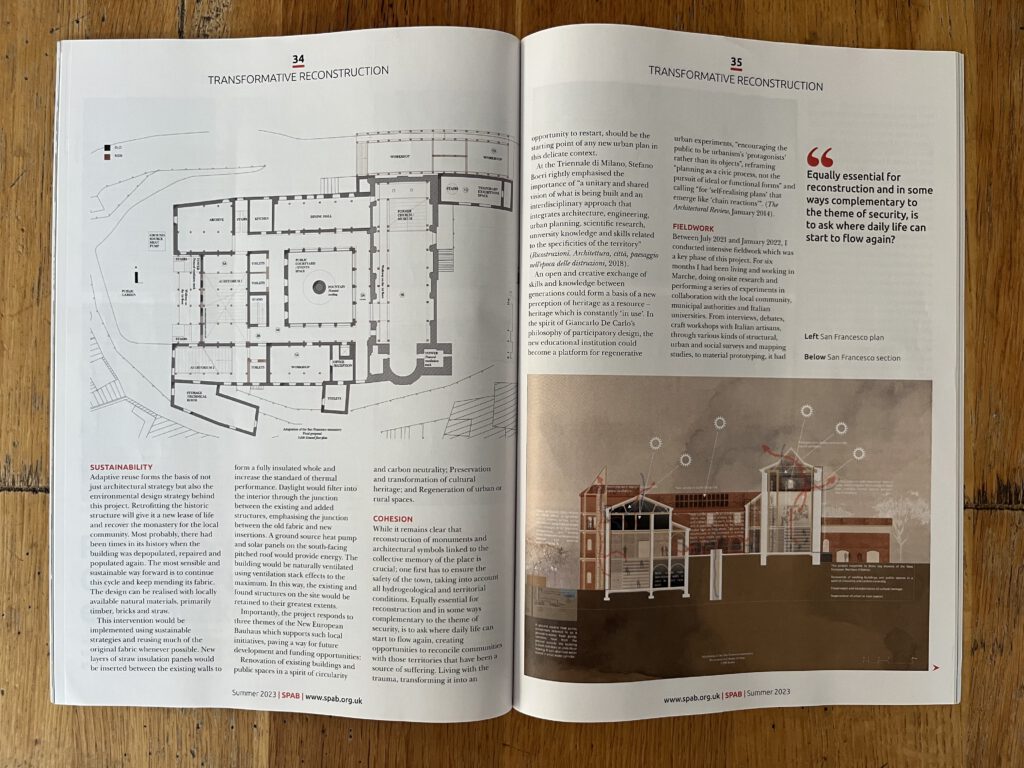
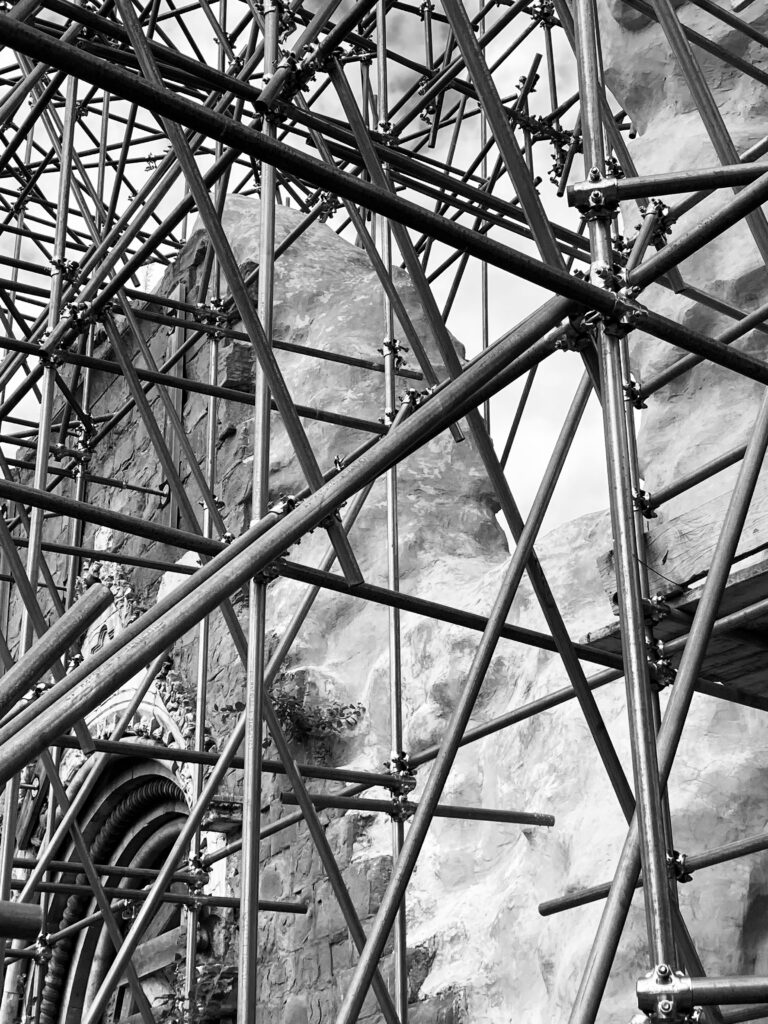
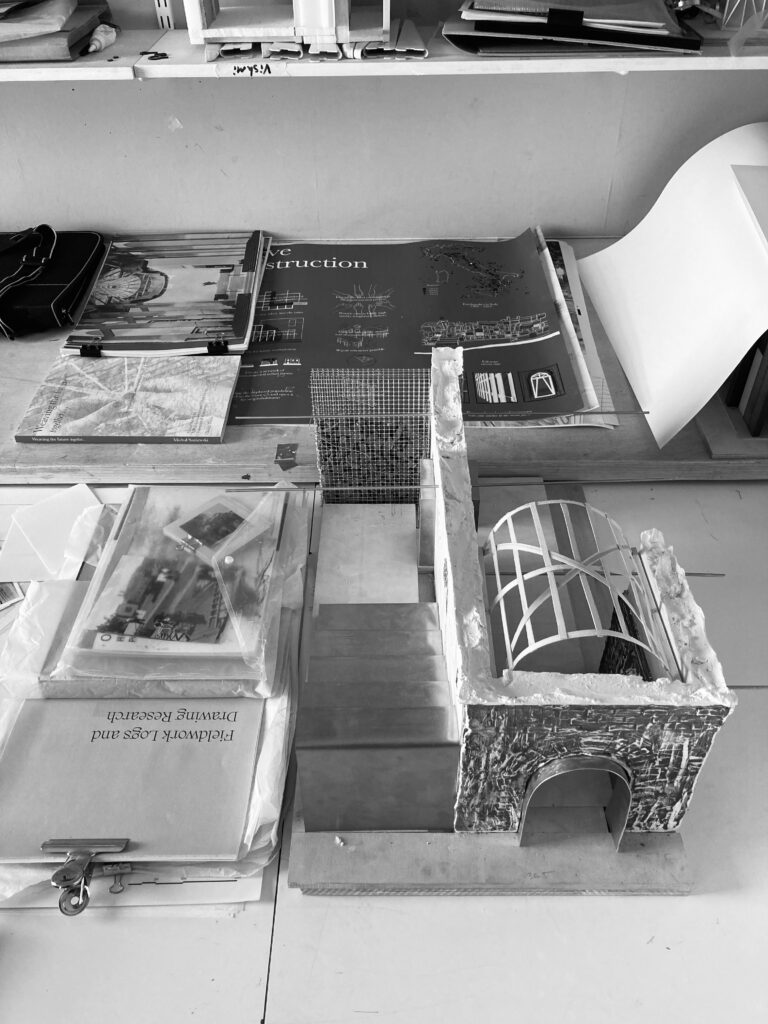
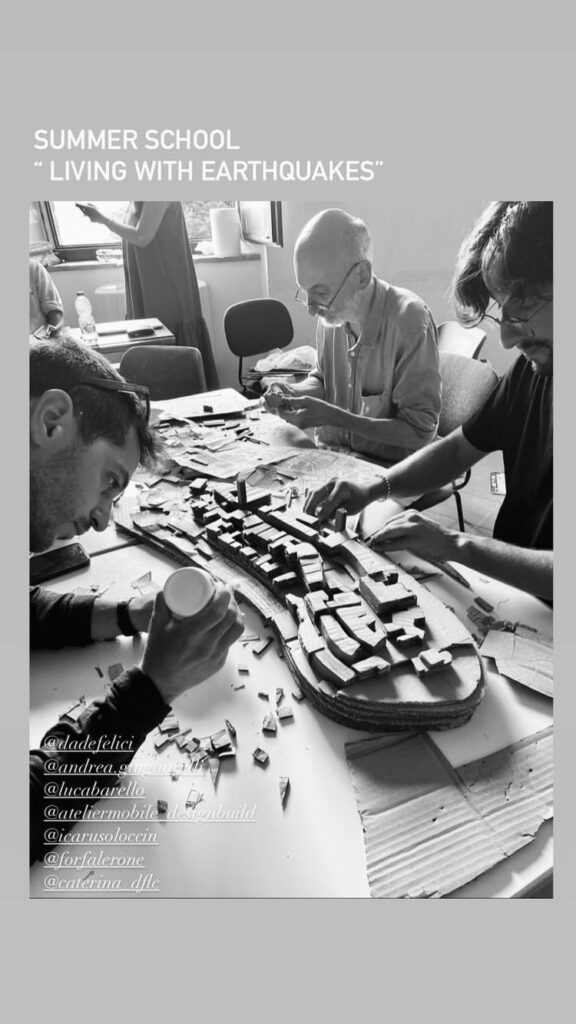
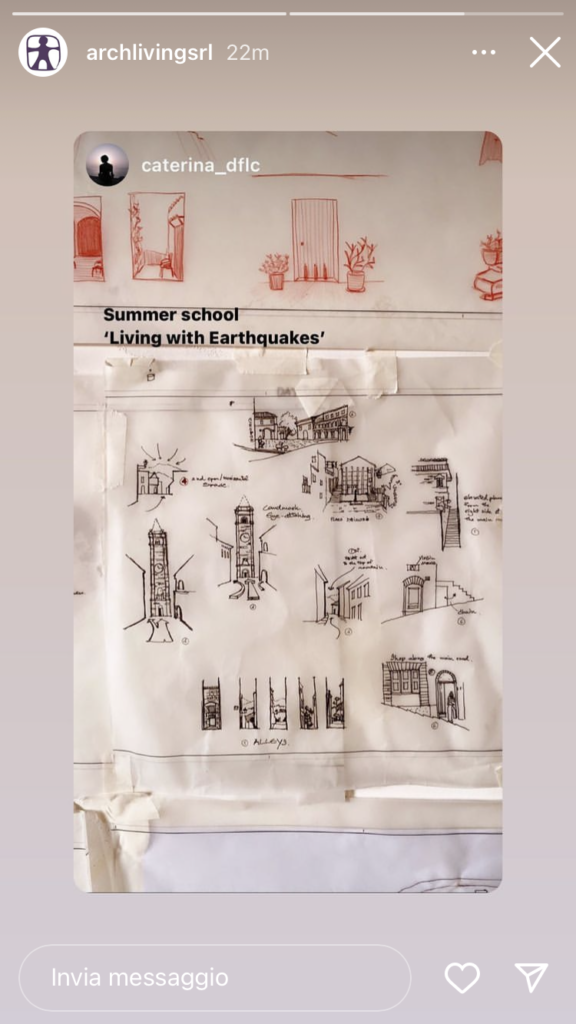
My academic journey has been defined by a steadfast commitment to rigorous, interdisciplinary research. I hold multiple degrees from the University of Cambridge (BA, MPhil, MA and PGCert), all of which have deepened my engagement with the question of resilience in the built environment. My award-winning MPhil project, developed under the direction of Dr Ingrid Schroder, involved an intensive study of post-earthquake recovery in central Italy. This research was grounded in independent fieldwork as a Visiting Research Fellow at UNIVPM. Since 2018 I have been involved with the interdisciplinary Living with Earthquakes research program, integrating architectural analysis, engineering tests, heritage studies and community engagement.
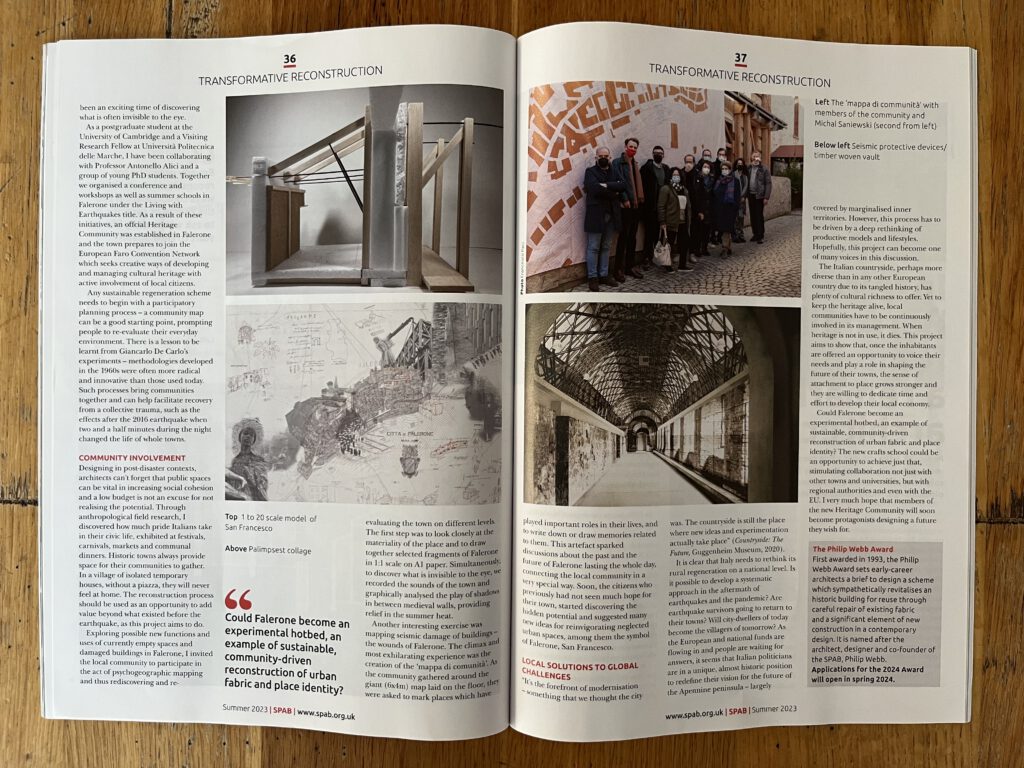
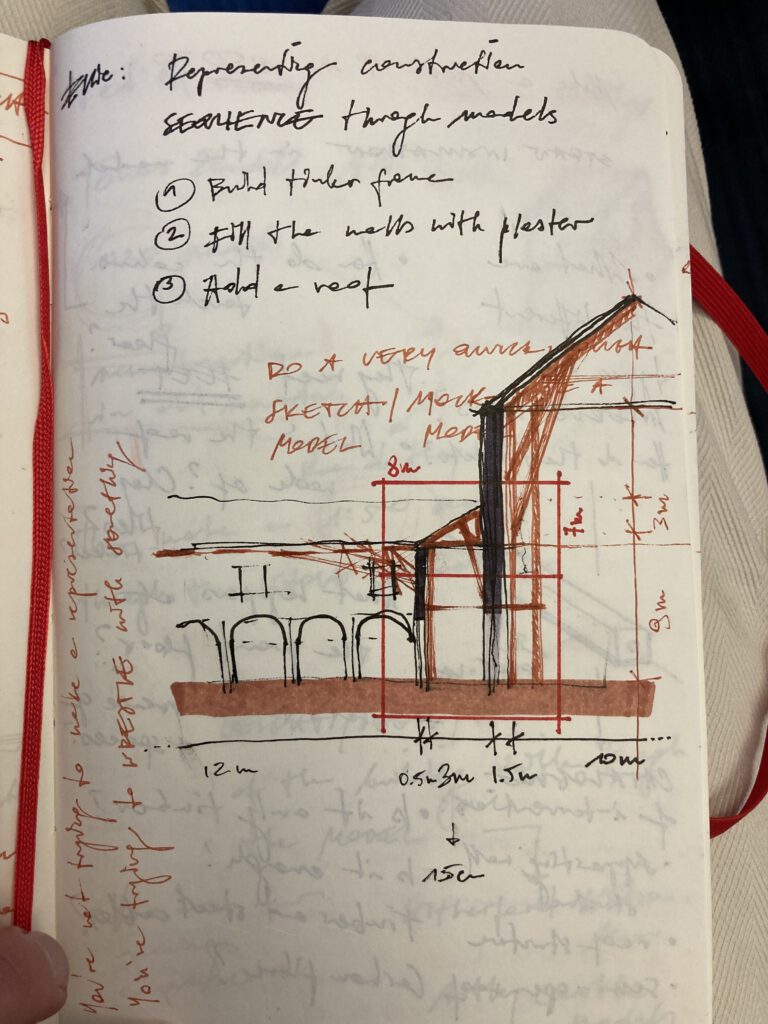
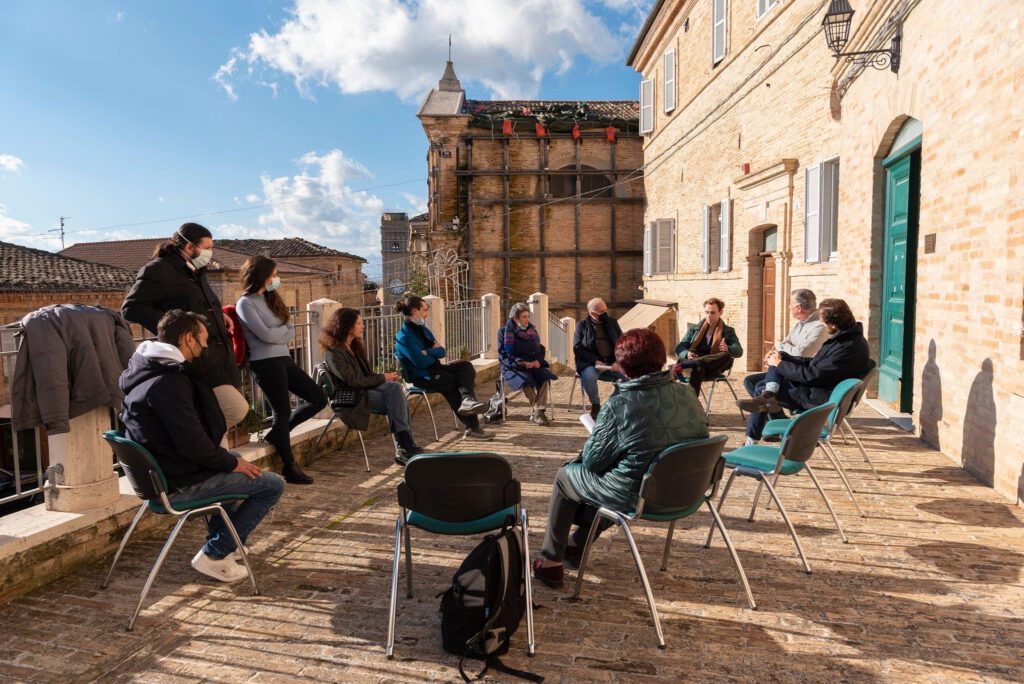
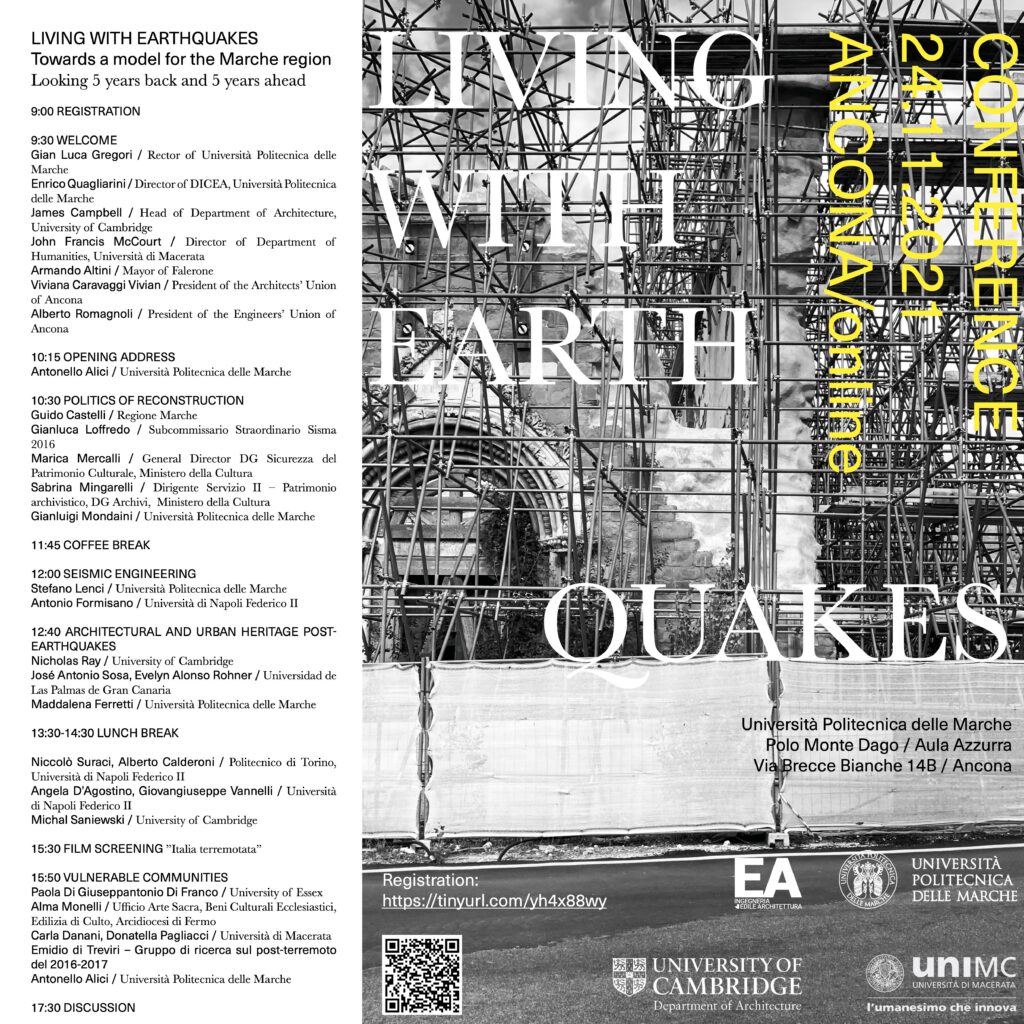
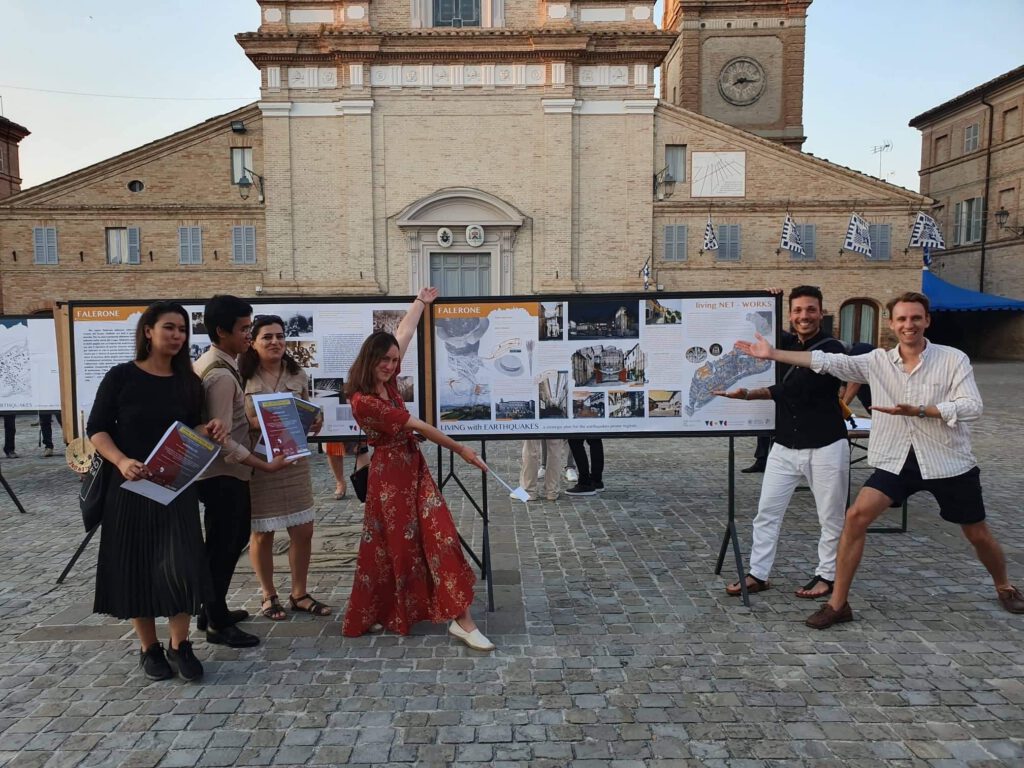
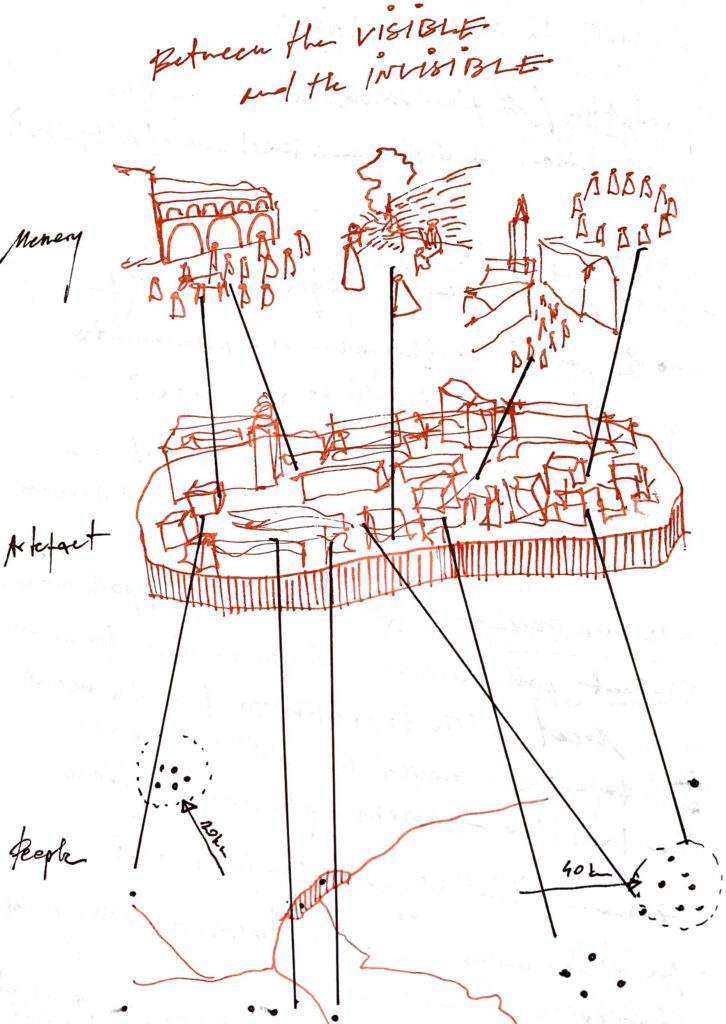
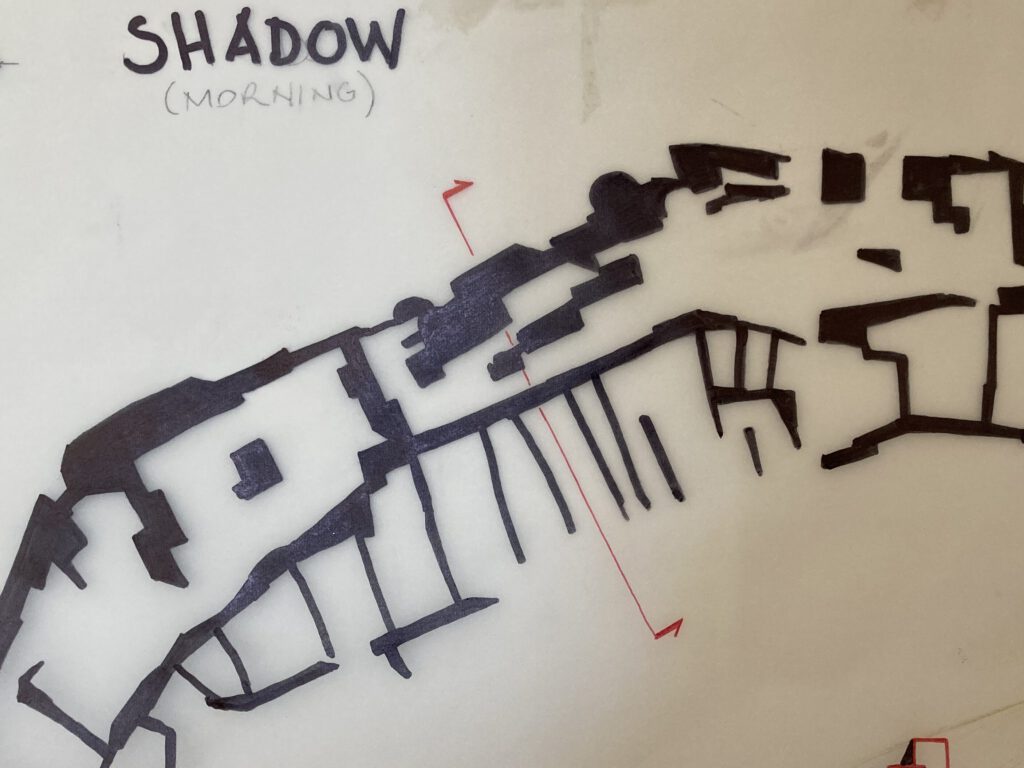
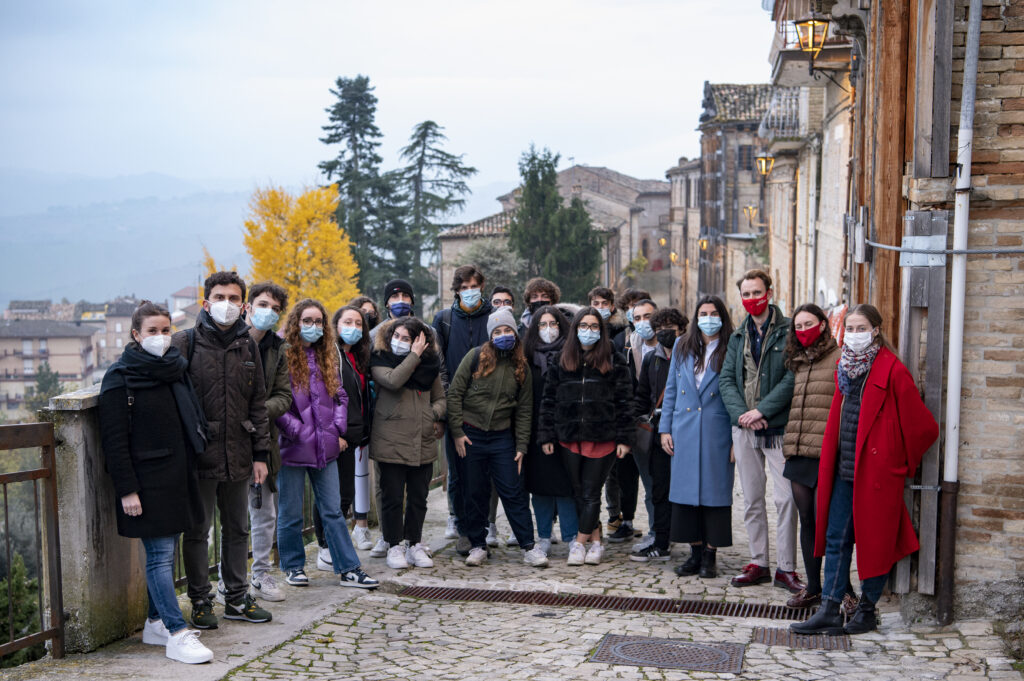
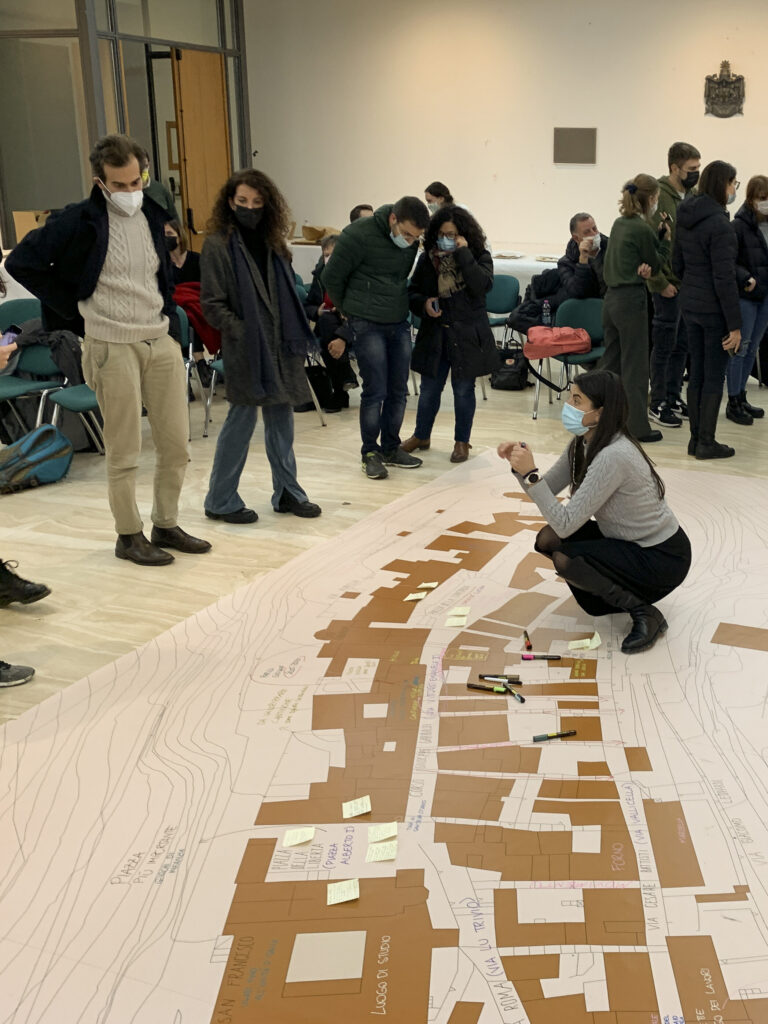
Working in the Marche region, I conducted numerous interviews, led participatory mapping workshops and collaborated with seismic engineers on technical assessments of historic buildings. Together with Professor Antonello Alici, we organised an international conference and workshop series in Falerone. My role involved coordinating stakeholders, shaping the programme, facilitating discussions and ensuring community concerns were central. I was supported by my sister Marta Saniewska, an Environmental Psychologist at Foster + Partners, who played an important role in this bottom-up process. Our initiatives brought together local officials, academics, international experts and residents. Consequently, an official Heritage Community was established in Falerone, following the European Faro Convention which “puts people and communities at the heart of cultural heritage”. My resulting design thesis (developed at Cambridge) synthesised social, cultural and structural insights into a unique contribution on long-term recovery strategies.
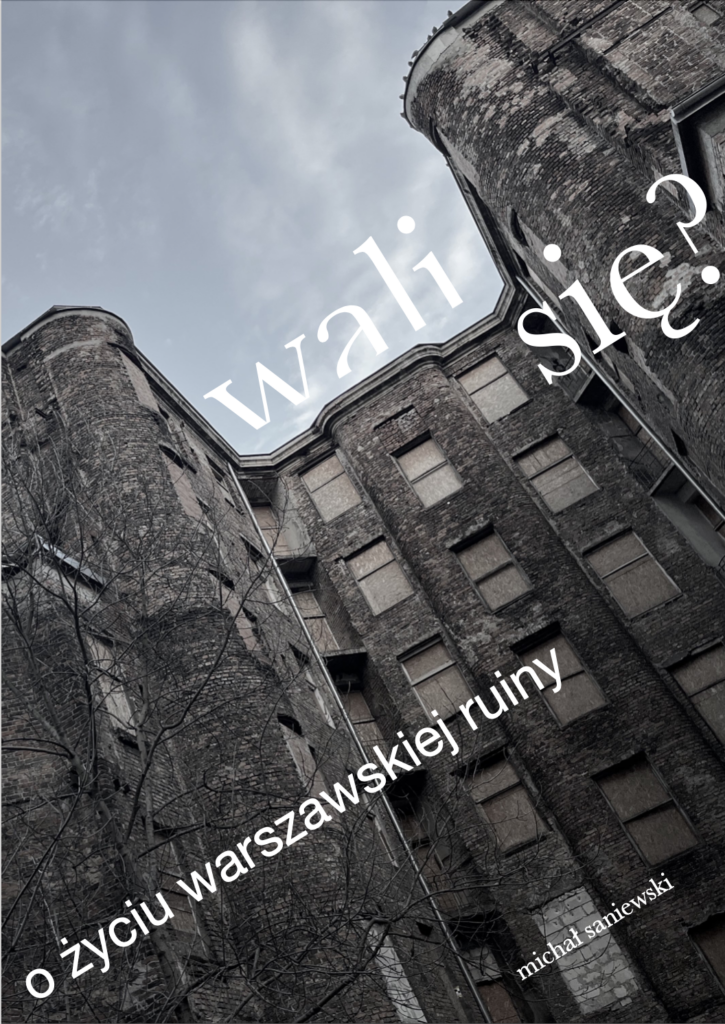
Yet my fascination with reconstruction started much earlier, when I was walking around the streets of Warsaw as a young boy — and observed bullet holes in the brick facades, ruins untouched since 1945, voids which spoke louder than any monuments. Years later, trying to make sense of the complex identity of the Polish capital in the 21st century, I engaged with this as a topic of my undergraduate dissertation, supervised by Dr Jessie Fyfe. Drawing on my personal, lived experiences of memory-scapes in Warsaw, I conducted in-depth research — visiting the city’s archives, interviewing architects, urbanists and memory activists, overlaying historical maps and drawings. From this emerged a vivid portrait of Warsaw as an urban palimpsest, a collage city evading any easy categorisation.
This blend of academic rigour, interdisciplinary methodology and field-based inquiry has defined my research identity. It underpins my incoming PhD project which will focus on co-designing emergency shelters in post-disaster contexts — an area demanding both intellectual depth and applied innovation.
My research was published and presented at several international conferences:
ECOCITY World Summit | Barbican Centre | London, UK | 2023
From a community map to strategies for constructing a resilient future of Falerone
CIRICE 2023 Città e Guerra | Università degli Studi di Napoli Federico II | Naples, Italy | 2023
A window onto Waliców: Liberating new perspectives on Warsaw’s post-war reconstruction
XIII International INU Study Day | Istituto Nazionale di Urbanistica | Naples, Italy | 2022
Temporary post-disaster strategies in fragile Italian territories
Living with Earthquakes | Università Politecnica delle Marche | Ancona, Italy | 2021
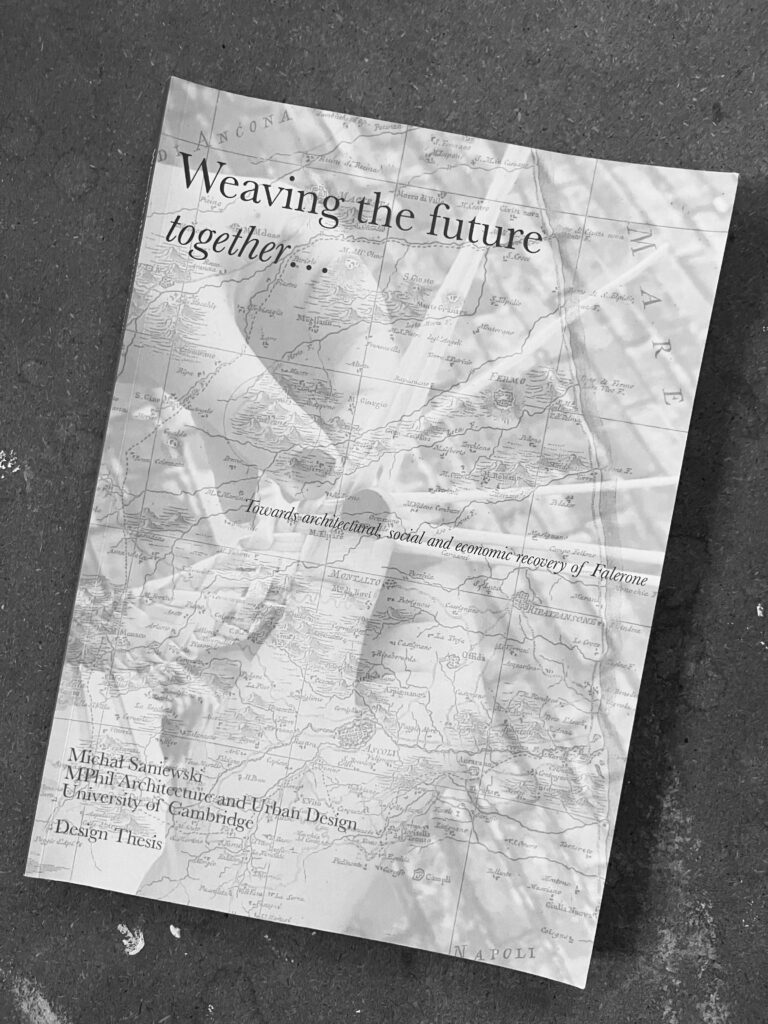
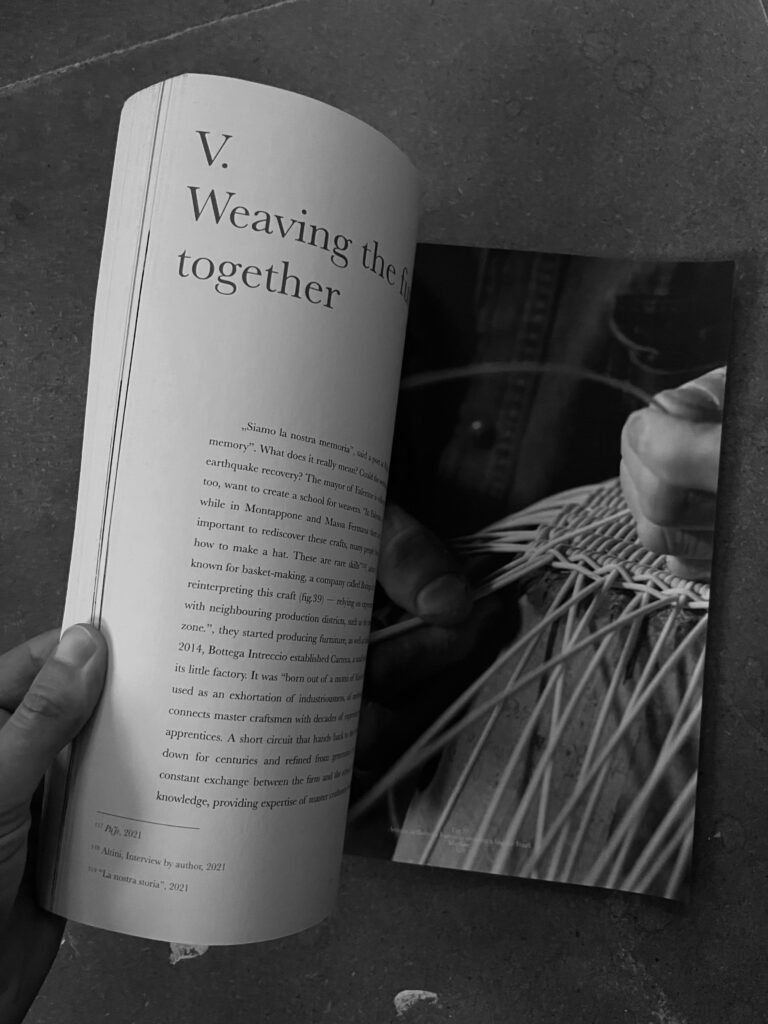
Weaving the future together: Towards architectural, social and economic recovery of Falerone
The City as a Project | Università Politecnica delle Marche | Ancona, Italy | 2021
The city as palimpsest: Memories of war in the ongoing reconstruction of Warsaw
Emmanuel College Graduate Symposium | University of Cambridge | Cambridge, UK | 2021
Transformative reconstruction: Crafting Falerone’s earthquake-resistant future